Herbal wisdom
Herbal and plant remedies
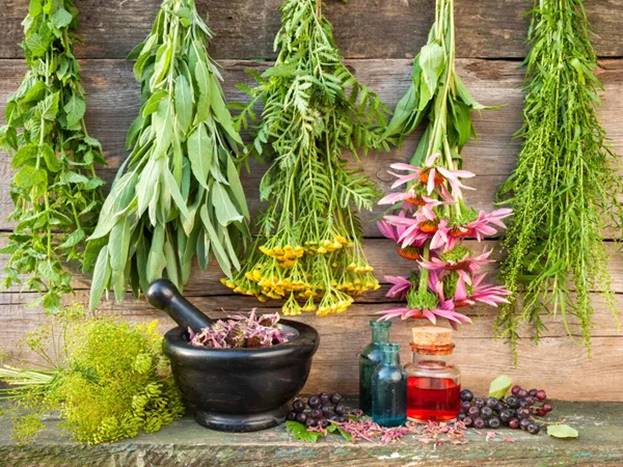
I’ve been interested in herbs from an early age. I was always attracted to beautiful flowers, leaves, and natural fragrances. I have early memories of older women talking about the healing and soothing benefits of different herbs for all kinds of ailments. What started as curiosity became a deep attraction to learn more about the wisdom of herbs and healing plants.
My passion for herbs and homemade herbal remedies started in the early nineties. It included exploring essential oils and tea infusions, such as tinctures, oil infusions, and tonics. I was always passionate about learning about healing herbs and how to identify them while walking through a field or forest and was amazed at the results that herbal preparations offered. Around 2014, I started to explore herbal constituents and essential oils at a much deeper level, as well as making preparations such as natural skin care products, salves, creams and ointments to heal various ailments.
I have studied aromatherapy and received several certifications; including Certified Herbalist, Certified Aroma Therapist, Certified Essential Oil Therapist, and Certified Master Herbalist (Diploma).
I offer herbal wisdom and teachings learned through formal education and my personal experience in the form of pre-recorded courses that are available through www.Udemy.com. All courses that I offer, either through Udemy or in other venues are accredited by the International Practitioners of Holistic Medicine (IPHM), the largest leading independent professional accreditation board worldwide, specializing in certifying alternative therapists, practitioners, healers, and training providers who practice holistic and alternative therapies.
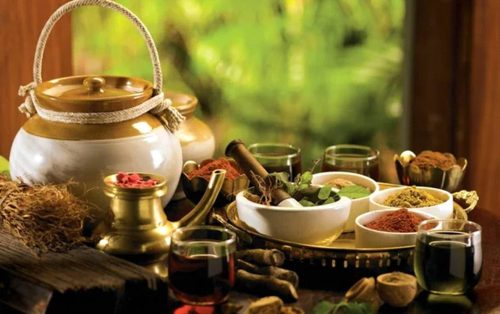
Herbs, plants, and healing spices can be found anywhere—from nature to your kitchen.
These magical medicines are used to alleviate pain, ease symptoms, and treat maladies of every kind. This type of healing is called either traditional, alternative, or complementary medicine. Herbs used for healing are made of natural compounds, preferably as whole herbs and plants, meaning no processing or added artificial flavors or colors.
Each plant, herb, and spice has its own properties and exceptional healing powers. This is unique to all of us; so what is good for me, may not be good for you, based on your own Cosmic signature. Plants have very high conscuiousness and transmute light into life.
Complementary to other healing practices, you can harvest and prepare your own dried herbs for teas, concentrated infusions, tinctures, salves, ointments, and essential oils.
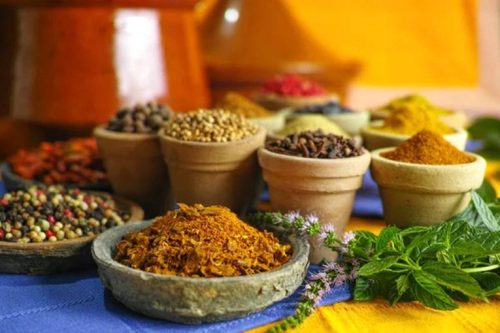 You can do this with simple, home remedies. These are food ingredients you might already have on hand; like lemons, aloe vera, mint, basil, oregano, etc. They are easy to prepare, apply topically or use internally as infusions (tea) or tinctures, providing that allegies to certain herbs and spices are considered. Most common to cause allergic reactions are chamomile, hops, and chilli pepers.
Home remedies can be used to help treat common ailments, aches and pains, minor cuts and scrapes, cold and flu, throat, or anxiety, among others. There are many herbs in your garden, local store, or dried in your pantry, in form of spices. You need to learn about them and use them to alleviate above mentioend discomforts, including bringing your body in balance in a very antural way.
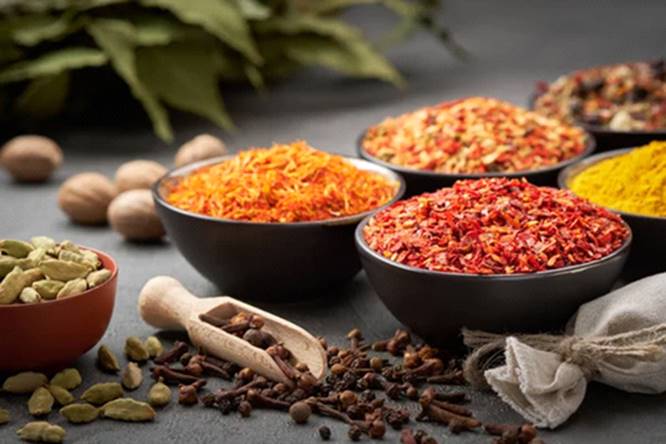
Ayurvedic healing with herbs
Ayurveda is the holistic healing system of India. In Ayurveda, mind, body and soul are interwoven on all levels. Ayurveda is the science of life, commonly called the sister of yoga.
Ayurveda, meaning "The science of life" in Sanskrit, crossed my path in the year 2000. This expanded my view of the possibilities of herbs, shining light on unexplored herbs that took my curiosity of home remedies and healing to a different level.
My extensive library of books on herbs, plants and Ayurvedic wisdom is complemented by having taken a number of workshops with K.P. Khalsa, David Crow, Adriana Ayales, and Jai Dev, to name a few. I recently decided to take a certification course in Ayurveda and have become an Ayurvedic Diet and Lifestyle coach (taught by Daniel White), which helped me deepen my knowledge and provided a practical approach to healing with Ayurvedic herbs, plants, and food.
A very special group of Ayurvedic herbs are called adaptogens. They can be defined as:
- Having a gentle, stabilizing and balancing effect on a wide range of bodily functions helping to bring the body back to balance (homeostasis)
- Having a nonspecific action that helps the body overcome stress and imbalance and to support digestion
- They can be fast or slow acting and are nontoxic when used in normal dosage (up to 30g per 1L of water as infusion or 3-6g per day as capsules). You need to consult your health care practitioner and consider any potential allergies before you decide to take any new herbs in your diet.
Adaptogens help to modify the body’s reaction to stress. One way they do this is by strengthening and supporting the immune, nervous, and glandular systems. Adaptogens balance the levels of stress on tissues and subtle, invisible energy channels. The most common adaptogens are: amalaki, ashwagandha, bacopa (Bacopa monnieri), mucuna, gotu kola (Centella asiatica), tulsi, triphla, and guduchi. Other Ayurvedic herbs include moringa, neem, turmeric, shatavari, licorice root, cinnamon, clove, fennel, and coriander, amongst many others.
Coming soon
Pre-recorded courses
Heal yourself with herbs from your garden